










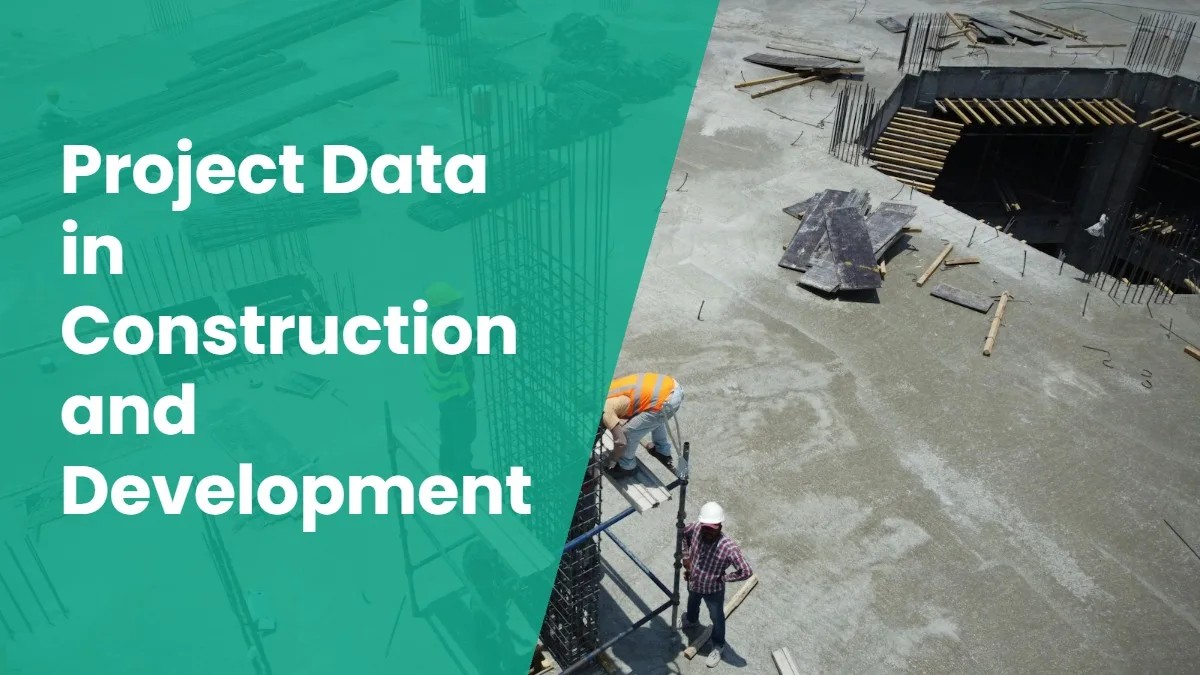
The physical economy keeps growing, and so does the digital layer that sits behind it. CBRE reported 278 million square feet of US industrial space under construction in the third quarter of 2026, up 9.3% on a year earlier, alongside the strongest quarterly absorption since 2022. Much of the attention goes to robotics, data centres and smart warehouses. Less glamorous, but just as important, is the digital infrastructure developers use to plan, budget and track these projects from land purchase to handover.
|
What to know
|
The Industrial Numbers
According to CBRE’s Q3 2026 industrial and logistics figures, published on 23 October 2026, net absorption reached 104.6 million square feet, the highest quarterly total since the fourth quarter of 2022, and vacancy fell to 6.4%. The under-construction pipeline grew 9.3% year on year to 278 million square feet, led by Dallas-Fort Worth, Phoenix and Houston.
Year-to-date deliveries of 182.7 million square feet were 17% below 2025, which helps explain why vacancy is falling.
A Digital Layer for Physical Projects
Technology writers often focus on virtual worlds, digital twins and immersive design tools. In development, the most valuable digital asset is usually far simpler: a reliable, shared record of costs, contracts, changes and schedules for every project. Without it, even the most advanced design models sit on top of guesswork.
Good project data is the foundation every other technology depends on.
From Spreadsheets to Cloud Platforms
Many developers still track budgets in spreadsheets emailed between project managers and accountants. That approach breaks down on large industrial projects with hundreds of contracts and change orders. Cloud ERP platforms give everyone secure, real-time access to the same numbers from the office or the site.
Version-control problems and late surprises largely disappear.
Construction Data That Updates Itself
When a change order is approved in the field, the budget should update automatically, so finance sees the impact immediately. Commitments, subcontracts, retainage and lien waivers should all live in the same system.
Developers using construction management software built for real estate can see these changes in real time instead of waiting for month-end reports.
Dashboards as a Control Room
Dashboards that display projected cost at completion, budget variances and critical alerts work like a control room for a development portfolio. Executives can drill down from a red flag to the transactions behind it in a few clicks.
That visibility helps catch problems while they are still small.
Land Data Before the Build
Every industrial project begins with land: acquisition, due diligence, entitlements and site preparation. Tracking those costs digitally from the first offer means the full investment is visible when construction budgets are set.
Tools for land development and acquisition tracking record pre-development costs through entitlements alongside lot and parcel data.
Taller buildings add a further question, which is how people will move through them. lift design software is one way design teams test waiting times before decisions are fixed, and AdSimulo builds tools for exactly that work.
Data Centres and Power
Data centre demand is reshaping industrial development, competing for land, power and construction labour. Developers working on these projects face complex budgets and long timelines, which makes accurate cost tracking even more important.
Small percentage overruns on very large projects translate into large dollar amounts.
Digital Draws and Lender Reporting
Lenders increasingly expect digital, well-organised draw packages. Elevate Solutions says a draw package in its software takes under 30 minutes instead of six to eight hours, with lender category mapping configured once and applied every draw.
Faster, cleaner draws keep large industrial projects funded on schedule.
AI on Top of Good Data
Cloud ERP platforms are adding AI features, such as Acumatica’s AI Assistant and AI Automation in its 2026 R2 release. These tools can flag anomalies, summarise variances and automate repetitive tasks, but only when the underlying data is complete and consistent.
Developers who invest in clean data now will get far more from AI later.
Security in the Cloud
Moving project data to the cloud raises reasonable questions about security. Elevate Solutions says its software runs on Amazon Web Services, with an annual independent SOC audit of Acumatica’s cloud ERP, and role-based permissions control who sees what.
Strong security makes broader access safe.
Handover to Operations
When an industrial building is complete, its digital record should carry straight into property management, with leases, tenant billing and maintenance tracked in the same system. That continuity saves time and preserves the project’s full history.
It also gives owners a clear view of total investment against income.
For more detail, see Article Forge Hub’s coverage of developers outgrowing spreadsheets.
Unlimited Access for Project Teams
Per-seat licensing often limits who can use project systems. Elevate Solutions offers unlimited users with no per-seat fees, which makes it practical to give superintendents, project managers and consultants access.
More users at the source usually means better data.
Why Project Data Matters on Busy Sites
Large industrial projects involve many trades, tight schedules and significant budgets. Live data on costs, change orders and progress helps teams spot problems early and keep owners informed. Without it, issues surface late, when they are more expensive to fix.
The Takeaway
CBRE’s Q3 2026 data shows industrial construction growing alongside strong demand. Behind every warehouse and data centre, the real infrastructure that keeps projects on budget is digital: shared, real-time records of land costs, contracts and changes that every team can trust.
What part of your development process is still running on spreadsheets?