









Industrial facilities face constant pressure to improve efficiency, reduce downtime, control operational costs, and maintain consistent production output. Whether in manufacturing, oil and gas, food processing, logistics, mining, or heavy industrial operations, reliable electrical infrastructure is essential to keeping operations running safely and efficiently. As facilities modernize equipment and adopt more advanced automation technologies, electrical equipment suppliers are becoming increasingly important strategic partners.
Today’s electrical equipment suppliers do far more than provide parts and components. They help industrial organizations access advanced technologies, improve energy management, strengthen system reliability, and support long-term operational performance. From power distribution systems to automation controls and predictive maintenance technologies, suppliers play a critical role in helping facilities optimize productivity while minimizing disruptions.
The Importance of Reliable Electrical Infrastructure
Industrial operations depend on complex electrical systems to power machinery, production lines, safety systems, and automation technologies. Even a brief power interruption or equipment failure can result in significant production losses, damaged inventory, missed deadlines, and increased maintenance costs.
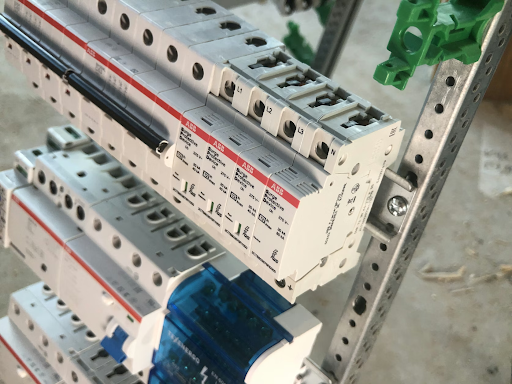
Electrical equipment suppliers help facilities reduce these risks by providing dependable products designed to support high-performance industrial environments. Components such as switchgear, transformers, motor controls, circuit protection devices, industrial connectors, and backup power systems are essential to maintaining stable and reliable operations.
Suppliers also help ensure facilities have access to products that meet evolving safety standards, environmental requirements, and operational demands. As industrial systems become more interconnected and automated, the importance of high-quality electrical infrastructure continues to grow.
Supporting Industrial Automation
Automation is transforming industrial operations by improving production speed, accuracy, and consistency. Modern manufacturing and industrial facilities increasingly rely on robotics, programmable logic controllers (PLCs), industrial sensors, and automated control systems to streamline operations and reduce manual labor requirements.
Electrical equipment suppliers help facilities implement these technologies by providing the electrical components needed to support automated systems. This includes power supplies, control panels, wiring systems, industrial networking equipment, and motor drives that enable machinery and equipment to communicate and operate efficiently.
By helping organizations modernize their electrical systems, suppliers contribute to greater operational efficiency, reduced human error, and improved production throughput.
Improving Energy Efficiency
Energy consumption represents one of the largest operational expenses for many industrial facilities. Rising energy costs and sustainability initiatives are driving increased demand for technologies that improve efficiency and reduce waste.
Electrical equipment suppliers support these efforts by helping facilities adopt energy-efficient technologies such as variable frequency drives (VFDs), intelligent lighting systems, smart meters, and advanced power monitoring equipment. These solutions allow organizations to optimize energy usage, monitor power quality, and identify inefficiencies throughout their operations.
For example, VFDs can reduce energy consumption by adjusting motor speeds based on operational demand instead of running equipment at full capacity continuously. Smart monitoring systems provide real-time visibility into power usage, helping facilities identify opportunities for energy savings and operational improvements.
As sustainability goals become more important across industries, electrical equipment suppliers are playing a growing role in helping organizations improve environmental performance while reducing operating costs.
Minimizing Downtime Through Predictive Maintenance
Unplanned downtime remains one of the biggest challenges facing industrial facilities. Equipment failures can disrupt production schedules, increase labor costs, and damage customer relationships due to delayed deliveries.
Electrical equipment suppliers are helping facilities reduce downtime through predictive maintenance technologies and intelligent monitoring systems. Advanced sensors and connected devices can continuously monitor equipment performance, temperature, vibration, and power quality to detect potential issues before failures occur.
This allows maintenance teams to address problems proactively instead of reacting after equipment breaks down. Predictive maintenance strategies help extend equipment lifespan, improve reliability, and reduce costly emergency repairs.
Suppliers increasingly provide products that integrate with industrial IoT platforms and facility management systems, giving organizations greater visibility into equipment health and operational performance.
Enhancing Safety and Compliance
Industrial environments involve significant electrical hazards, making safety and regulatory compliance top priorities. Electrical equipment suppliers help facilities maintain safe working environments by providing products that meet industry safety standards and support proper system protection.
Components such as surge protection devices, grounding systems, arc flash mitigation equipment, and circuit breakers help reduce electrical risks and protect both personnel and equipment. Suppliers also assist organizations in selecting products that comply with regulations established by organizations such as OSHA, NFPA, and IEEE.
Modern safety technologies are becoming increasingly sophisticated, with intelligent monitoring systems capable of identifying abnormal electrical conditions and automatically shutting down equipment when necessary. These advancements help facilities improve worker safety while reducing the risk of costly accidents or system damage.
Supporting Supply Chain Continuity
Industrial operations often rely on continuous access to replacement parts and electrical components to maintain productivity. Supply chain disruptions can delay maintenance activities and increase operational risks if critical equipment becomes unavailable.
Electrical equipment suppliers help address these challenges by maintaining strong inventory management systems, expanding warehouse networks, and improving procurement visibility. Many suppliers now offer digital procurement platforms that allow customers to monitor inventory availability, track orders in real time, and streamline purchasing workflows.
Reliable supply chain support is especially important for facilities operating in industries with minimal tolerance for downtime, such as food processing, pharmaceuticals, energy production, and manufacturing.
By improving product availability and procurement efficiency, suppliers help facilities maintain operational continuity and reduce maintenance delays.
Supporting Digital Transformation
Industrial facilities are increasingly embracing digital transformation initiatives that rely on connected systems, data analytics, and automation. Electrical equipment suppliers play an important role in supporting these efforts by providing technologies that enable smart manufacturing and Industry 4.0 capabilities.
Connected sensors, intelligent control systems, and cloud-based monitoring platforms generate valuable operational data that organizations can use to improve efficiency and decision-making. Electrical suppliers help facilities implement the infrastructure needed to support these technologies, including industrial networking equipment, power distribution systems, and automation components.
As industrial environments become more data-driven, suppliers are evolving from product providers into strategic technology partners that help organizations modernize operations and improve long-term competitiveness.
The Future of Industrial Electrical Systems
The future of industrial operations will increasingly depend on intelligent electrical infrastructure capable of supporting automation, sustainability, and real-time operational visibility. Electrification, AI-driven analytics, predictive maintenance, and smart energy management technologies will continue reshaping industrial environments across sectors.
Electrical equipment suppliers will remain essential to this evolution by helping facilities access advanced technologies, maintain system reliability, and improve operational efficiency. Their ability to provide technical expertise, dependable inventory support, and innovative electrical solutions will continue playing a major role in helping industrial organizations remain competitive in a rapidly changing market.