









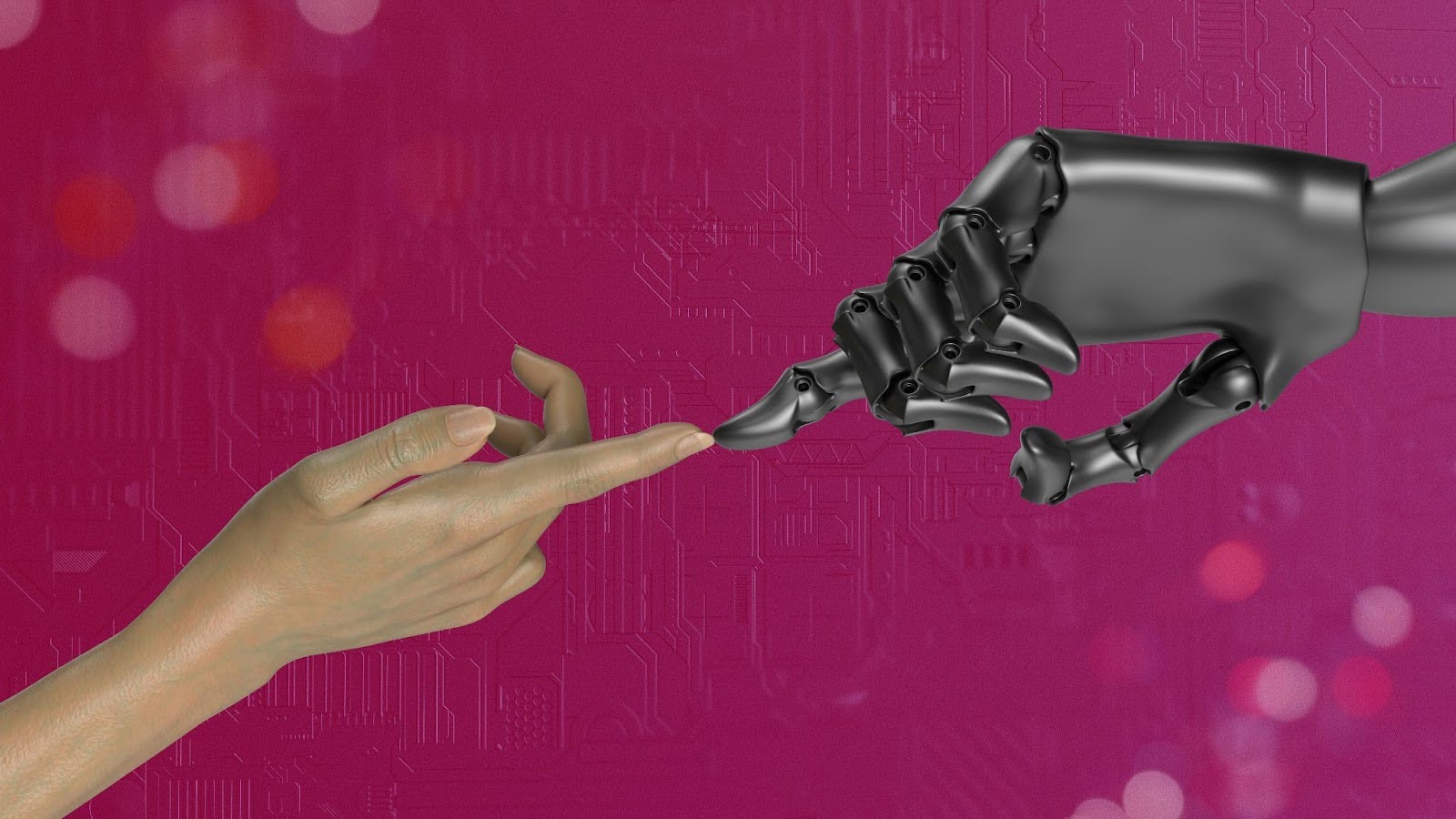
In a generation where technology moves faster than most people can comprehend, artificial intelligence remains one of the backbones of modern times. Yet, while much attention has been focused on the rise of these automated robots and their ability to formulate quick responses via text, a new frontier has now gained traction: AI-generated images.
Recently, an NBC article reported a vast increase in the use of AI-generated visuals. But these assets, often viewed as entertaining and creative, are not all that they seem. From fabricated medical scenes to fake celebrity photos, these images are being used to spread false narratives, making it increasingly difficult for viewers to discern what’s real versus forgery. Today, virtually anyone with access to a basic image generator can produce photorealistic content, suggesting much is at stake when used unethically.
As an AI expert warns, individuals should not be fooled by this type of fast-spreading misinformation because the implications are rather serious.
“AI image generation is like giving everyone a paintbrush—but without teaching them the difference between art and forgery. Misinformation spreads when innovation moves faster than integrity. The rise in AI-generated image misinformation highlights the urgent need for stronger verification tools and responsible AI development. As generative technology becomes more accessible, so does the risk of eroding public trust. If we want a future where people trust what they see, we have to build technology that earns that trust every step of the way,” Brain Sathianathan said, Co-Founder of Iterate.ai.
Essentially, AI-generated imagery is the idea of art, like paintings and digital ads, created with the help of advanced algorithms like large language models (LLM) and machine learning. Originally developed to support artists, marketers and creators, these tools have transformed their workflows, enabling rapid ideation and tangible prototypes for projects. But while resourceful for creatives, their misuse is escalating fast across many other industries.
As of late, many AI-generated images have taken the world by storm. One viral example is the pope wearing a white Balenciaga coat, as developed last year by an AI tool. While many users realized this image was fake right off the bat, it sparked a large conversation about the concern of AI-generated photos, and how convincing they have become.
Real-time data also confirms AI-created photos are alarmingly popular across the public, with millions of these images being generated and published daily. In particular, research found that 71% of images shared on social media today are AI-generated or AI-edited, a figure underscoring how reliant consumers have become on this technology.
At the same time, the demand for visual content by AI is only increasing, with estimates for the market to exceed $1 billion by 2030, according to the same resource. With new tools hitting the market regularly and existing platforms undergoing frequent upgrades, the ability to manipulate reality is becoming more and more accessible everyday.
To address the growing threat, however, some AI companies are implementing tools like digital watermarking or “image provenance” tracking, designed to verify whether or not an image is AI-made. Large industry leaders like Adobe and Google are also taking steps to label synthetic media more transparently. Other platforms are experimenting with metadata tags that flag artificial content, while others depend on community reporting to identify the misuse and prevent it from spreading further.
As AI continues to evolve, so too must the public’s understanding of visual representation. This includes understanding how images are created, being aware of obvious signs of manipulation and developing digital literacy skills that can help distinguish truth from fabrication.
In this new reality, general education, honest labeling and responsible labeling will be needed to sustain the future of AI. If not resolved fast, the consequences could ripple far beyond social media—compromising ethical journalism, public safety and even personal relationships.
So perhaps, it’s time to make the truth visible again.