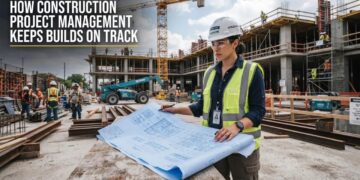











Planning a construction or renovation project involves much more than choosing materials and deciding how the finished space should look. Every project requires coordination between different trades, careful scheduling, budget management, and attention to building codes and safety requirements. Without someone overseeing these responsibilities, even a relatively straightforward project can experience delays, unexpected costs, and communication problems.
This is where a general contractor becomes an important part of the process. Whether a property owner is building a new home, renovating a commercial space, expanding an existing property, or updating a kitchen, a general contractor helps organize the work from the initial planning stages through completion.
Understanding the role of a general contractor can help property owners decide when professional construction management is necessary, what services to expect, and how to choose the right person or company for the job.
What Is a General Contractor?
A general contractor is a construction professional or company responsible for managing and coordinating a construction project. Depending on the project’s size and contract terms, this responsibility may include hiring subcontractors, purchasing materials, arranging inspections, maintaining schedules, monitoring costs, and communicating with the property owner.
General contractors typically work with specialists such as electricians, plumbers, carpenters, roofers, painters, concrete contractors, and heating and cooling technicians. Instead of requiring the property owner to coordinate each professional independently, the general contractor brings these different parts of the project together.
The contractor’s exact responsibilities depend on the agreement, the type of construction, and local regulations. Some general contractors handle nearly every aspect of project execution, while others manage selected services or work alongside an architect, engineer, or construction manager.
A general contractor is not necessarily the person performing every physical task. Their primary responsibility is often making sure the right people complete the right work at the right time and according to the project’s specifications.
What Does a General Contractor Do During a Construction Project?
A general contractor’s work involves several connected responsibilities. These tasks can begin before construction starts and continue until the project is completed and the property is ready for use.
1. Planning and Organizing the Project
Before construction begins, the general contractor reviews the project’s scope, drawings, specifications, and other available documentation. This helps establish what needs to be built, which services are required, and what sequence of work makes sense.
Planning may involve identifying the necessary trades, estimating material quantities, determining equipment requirements, and establishing a preliminary schedule. Contractors also consider site conditions, access limitations, delivery requirements, and potential obstacles that could affect progress.
For example, a commercial renovation may require work to be completed outside normal business hours. A contractor needs to account for these restrictions when scheduling workers and deliveries. Similarly, a residential addition may require coordination between foundation work, framing, roofing, electrical installation, and interior finishing.
Good planning reduces uncertainty and gives everyone involved a clearer understanding of their responsibilities.
2. Preparing Estimates and Managing the Budget
Construction budgets typically include labor, materials, equipment, subcontractor fees, permits, insurance, and other project-related expenses. A general contractor helps estimate these costs and explains how they contribute to the overall price.
Depending on the agreement, the contractor may provide a fixed-price proposal, a cost-plus arrangement, or another pricing structure. Property owners should understand what each proposal includes, which expenses may change, and how additional work will be priced.
Budget management continues after construction starts. Material prices may change, hidden structural problems may appear, or the owner may request modifications. The contractor helps assess these developments and explains their financial implications.
A reliable contractor also documents changes to the scope of work instead of relying on informal conversations. Written change orders help clarify additional costs, revised timelines, and the work being authorized.
Although a contractor cannot guarantee that every project will stay completely free of unexpected expenses, careful estimating and transparent communication can make costs easier to manage.
3. Hiring and Coordinating Subcontractors
Many construction projects require multiple specialists. A general contractor typically coordinates these trades and ensures their work fits into the overall construction schedule.
For example, a home renovation might involve demolition crews, electricians, plumbers, drywall installers, flooring professionals, and painters. Some tasks must be completed before others can begin. Electrical and plumbing work may need to be inspected before walls are closed, while flooring installation generally follows certain structural and finishing tasks.
The general contractor schedules these activities, communicates expectations, and monitors progress to reduce conflicts between trades.
Subcontractor coordination also involves verifying that workers understand the project requirements and have the appropriate qualifications or licenses where required. The contractor may review completed work, identify issues, and arrange corrections before subsequent phases proceed.
Without effective coordination, workers can arrive before the site is ready, materials may be unavailable, and completed work may need to be removed or repeated.
4. Obtaining Permits and Coordinating Inspections
Construction projects may require building permits, zoning approvals, and inspections. Requirements depend on the location, property type, and nature of the work. Cosmetic updates may have different requirements from structural modifications, electrical upgrades, or new construction.
A general contractor can help identify applicable requirements, prepare or coordinate documentation, submit permit applications when authorized, and schedule inspections. In some jurisdictions, certain applications must be submitted by the property owner, architect, engineer, or a specifically licensed professional.
Inspections may take place at different stages, such as after foundation work, during framing, or after the installation of certain building systems. The contractor coordinates these steps to help ensure that work is not covered up or advanced before required approvals are obtained.
It is important to remember that hiring a general contractor does not automatically guarantee regulatory compliance. Property owners should verify that the contractor has the necessary licenses and understands the local rules governing the project.
5. Managing the Construction Schedule
A construction schedule outlines the expected sequence and timing of project activities. The general contractor develops or coordinates this schedule and adjusts it when circumstances change.
Weather, delayed shipments, labor availability, inspection results, and unexpected site conditions can all affect progress. The contractor evaluates how these issues influence other activities and communicates revised expectations to the property owner.
For instance, if a custom window delivery is delayed, the contractor may reorganize certain interior tasks while waiting for installation. However, some activities cannot reasonably proceed until the delayed work is complete.
Effective scheduling is not simply about making a list of deadlines. It requires understanding the dependencies between tasks and anticipating where delays could create additional costs.
Property owners should ask how often they will receive progress updates and how schedule changes will be communicated. Regular reporting helps everyone understand whether the project is progressing as expected.
6. Supervising Work Quality and Jobsite Safety
General contractors help maintain construction standards by monitoring work, coordinating inspections, reviewing progress, and addressing issues that arise during the project.
Quality control can include checking whether installed materials match the specifications, confirming that completed work meets the agreed requirements, and identifying visible defects that need correction. Specialized systems may also require testing or approval from qualified professionals.
Safety is another important responsibility. Contractors may establish site rules, coordinate safety procedures, ensure appropriate protective measures are used, and address hazards associated with construction activities. Their specific legal obligations depend on the jurisdiction, contract, and project structure.
A well-managed site should have clear access arrangements, appropriate material storage, and procedures for handling equipment and debris. These measures help protect workers, visitors, occupants, and the surrounding property.
Quality and safety should be considered throughout construction rather than only during a final walkthrough.
What Does a General Contractor Do for Homeowners?
Residential projects often involve personal preferences, existing living arrangements, and decisions that can change as work progresses. A general contractor helps homeowners manage these details without requiring them to supervise every trade directly.
For a kitchen renovation, the contractor may coordinate demolition, cabinet installation, plumbing, electrical work, countertops, and finishing. For a home addition, responsibilities may extend to excavation, foundations, framing, roofing, insulation, and connections to existing systems.
Homeowners also benefit from having a central point of contact. Instead of calling several subcontractors to find out why a task is delayed, they can communicate with the contractor overseeing the project.
The contractor can explain what decisions are needed, identify potential conflicts between design preferences and practical requirements, and help evaluate changes before they affect the budget.
However, homeowners should not assume that every service is automatically included. Interior design, architectural drawings, engineering, landscaping, and specialized inspections may require separate agreements. Reviewing the contract before work begins helps establish which responsibilities belong to the general contractor and which remain with the owner.
What Does a General Contractor Do for Commercial Projects?
Commercial construction introduces additional considerations, including business operations, accessibility requirements, tenant needs, specialized equipment, and deadlines that may affect revenue.
A general contractor working on a commercial property coordinates construction activities while considering how the project interacts with employees, customers, tenants, and neighboring businesses.
For example, renovating a retail space may require phased construction so that some areas remain accessible. An office renovation might involve coordinating electrical systems, data cabling, ventilation, partitions, and furniture installation.
Commercial projects can also require more extensive documentation, inspections, insurance arrangements, and coordination among architects, engineers, property managers, and other stakeholders.
For larger developments, the contractor may work within a broader project management structure. The owner could have a separate construction manager, while the general contractor remains responsible for executing the construction work described in the contract.
Clear communication is especially important when several decision-makers are involved. Documented approvals, progress reports, and defined responsibilities help keep the project organized.
How a General Contractor Handles Problems and Changes
Even well-planned construction projects can encounter unexpected challenges. Existing buildings may contain concealed water damage, outdated wiring, structural deterioration, or materials that need replacement. New construction can face weather disruptions, supply shortages, or design conflicts.
A general contractor helps evaluate these situations, consults appropriate specialists, and explains the available options. The contractor may recommend additional inspections, revised construction methods, or changes to the schedule.
The best response depends on the circumstances. A minor cosmetic issue may be straightforward to correct, while a structural concern may require engineering advice and formal approval before work continues.
Owners should expect the contractor to explain the problem, discuss potential costs and consequences, and obtain the necessary authorization before proceeding with work that changes the contract.
When comparing contractors, ask how they document unexpected conditions and handle change orders. A clear process helps prevent misunderstandings and gives property owners a better record of decisions made during construction.
When Should You Hire a General Contractor?
Not every property improvement requires a general contractor. Simple tasks, such as painting one room or replacing a basic fixture, may be manageable through a direct agreement with a qualified tradesperson.
A general contractor becomes more valuable when a project involves multiple trades, structural work, significant investment, permit requirements, or a complicated schedule.
Consider hiring one when:
You are building a new house or commercial property.
You are adding rooms or changing the structure of an existing building.
A renovation requires several different trades to work in sequence.
You need one primary contact to coordinate workers and suppliers.
You have limited time to supervise construction personally.
The project involves substantial costs or complex logistical requirements.
The key consideration is not simply the size of the project. Even a relatively small renovation can become complicated when plumbing, electrical, structural, and finishing work must be coordinated.
If the project requires several specialists and careful scheduling, professional oversight may save time and reduce avoidable mistakes.
How to Choose the Right General Contractor
Choosing a contractor requires more than comparing the lowest price. The person or company you hire will influence how the project is organized, how problems are handled, and how clearly you understand the work being completed.
Verify Licensing, Insurance, and Experience
Check the licensing requirements in your area and confirm that the contractor holds any credentials necessary for the project. Ask for proof of appropriate insurance and clarify what coverage applies to workers, subcontractors, and property damage.
Experience also matters. A contractor who regularly handles commercial tenant improvements may not be the best fit for a specialized residential restoration, and a contractor focused on small renovations may lack the resources required for a large development.
Ask about comparable projects, relevant references, and experience with the type of construction you are planning.
Review the Written Proposal
A detailed proposal should describe the scope of work, major materials, pricing structure, expected schedule, payment terms, and responsibilities of each party.
It should also explain how exclusions, allowances, delays, and additional work will be handled. If the proposal simply states a total price without explaining what is included, ask for clarification before signing.
When researching a contractor, understanding what does a general contractor do can help you distinguish between a professional who actively manages construction and one who offers a narrower service.
Compare proposals based on the work included, the level of oversight provided, the qualifications of the team, and the clarity of the contract, not price alone.
Evaluate Communication and Project Management
A contractor should be willing to answer reasonable questions and explain the construction process in terms you can understand.
Ask who will supervise the site, how often progress updates will be provided, and whom you should contact if a problem occurs. For larger projects, ask whether there will be a dedicated project manager or site supervisor.
Pay attention to how the contractor communicates before the agreement is signed. Unclear answers, unexplained pricing, and reluctance to document commitments can indicate potential problems later.
A professional relationship built on clear expectations makes it easier to address difficult decisions throughout construction.
General Contractor vs. Subcontractor: What Is the Difference?
A general contractor oversees and coordinates the broader construction project, while a subcontractor specializes in a particular trade or service.
For example, an electrician installs or upgrades electrical systems, while a plumber handles water supply, drainage, and related plumbing work. A roofing subcontractor focuses on the roof, and a flooring specialist installs the selected flooring materials.
The general contractor coordinates these specialists, manages the sequence of work, and oversees the responsibilities assigned under the construction agreement.
Property owners can hire subcontractors directly, but doing so means taking on more coordination responsibilities. They may need to schedule each trade, arrange access, confirm that one phase is ready for the next, and resolve conflicts between contractors.
Working with a general contractor can simplify these arrangements because one party manages the broader construction process. The exact allocation of responsibility should still be clearly defined in the contract.
Common Misunderstandings About General Contractors
Several misconceptions can lead to confusion when planning a construction project.
A general contractor performs every task personally. In reality, general contractors commonly rely on subcontractors and specialized trades. Their role often centers on coordination, supervision, and overall project delivery.
Hiring a contractor guarantees that the project will finish on time. Contractors can develop realistic schedules and manage delays, but weather, inspections, supply shortages, and unforeseen conditions may affect completion dates.
The lowest bid is always the best option. A low price may reflect efficient planning, but it can also result from missing items, unrealistic allowances, or an incomplete scope of work. Reviewing the details is essential.
All general contractors offer identical services. Some focus on residential renovations, others specialize in commercial construction, and some handle large ground-up developments. Services, experience, and available resources vary.
The contract is only about price. A good construction contract should also explain the scope of work, responsibilities, payment terms, change procedures, schedule expectations, and methods for addressing disputes.
Understanding these distinctions helps property owners establish realistic expectations and make more informed decisions before construction begins.
FAQs
Does a general contractor design the building?
Not necessarily. Architects and designers typically prepare architectural plans, while engineers may develop structural or building-system designs. A general contractor uses these documents to organize and execute the construction work. Some firms offer design-build services that combine design and construction under one arrangement.
Does a general contractor buy the materials?
Often, yes. Depending on the contract, the contractor may purchase materials, coordinate deliveries, arrange storage, and verify that products match the specifications. In other projects, the property owner may purchase certain items directly. The agreement should clarify who is responsible for each purchase.
Is a general contractor responsible for permits?
A general contractor often helps coordinate permit applications and inspections. However, legal responsibility varies by location and project type. Some permits may need to be obtained by the owner or a licensed design professional, so responsibilities should be confirmed before construction begins.
How does a general contractor charge for services?
Common arrangements include fixed-price contracts, cost-plus contracts, and other agreed pricing structures. The appropriate option depends on the project scope and how clearly costs can be established in advance. Property owners should understand how labor, materials, overhead, fees, and changes are billed.
Can I manage a construction project without a general contractor?
Yes, depending on the project’s complexity, your experience, and local requirements. You may be able to coordinate individual trades for a small project. However, managing multiple specialists, schedules, permits, and quality checks can require considerable time and construction knowledge.
What should I ask before hiring a general contractor?
Ask about relevant experience, licensing, insurance, references, subcontractor management, project supervision, payment terms, scheduling, and change orders. Request a written proposal that clearly explains the scope of work and the responsibilities included in the price.
Conclusion
A general contractor plays a central role in organizing and overseeing construction projects. From preparing estimates and coordinating subcontractors to managing schedules, monitoring quality, and arranging inspections, the contractor helps turn plans into a completed structure.
For homeowners, this support can simplify renovations and additions. For commercial property owners, it can help coordinate complicated work while accounting for business operations, regulatory requirements, and project deadlines.
The right contractor does more than bring workers to a jobsite. They establish clear expectations, manage the relationships between different trades, communicate problems, and help keep construction aligned with the agreed scope, budget, and schedule.
Before hiring a general contractor, verify qualifications, review the written proposal, compare the services offered, and make sure responsibilities are clearly documented. Taking these steps can help you choose a professional who fits your project and gives you greater confidence throughout the construction process.