









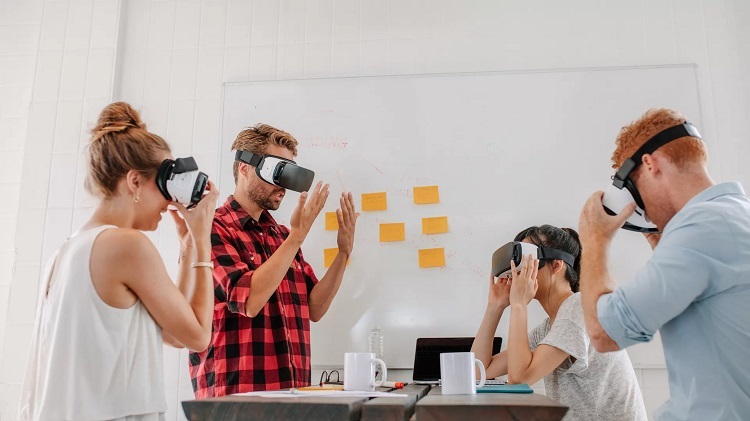
Technology has always been about making life easier, faster, and more exciting. But in recent years, two powerful innovations, Augmented Reality (AR) and Virtual Reality (VR), have taken that excitement to a whole new level. These technologies are changing the way we work, play, learn, and even connect. Together, they are shaping the “virtual frontiers” of human experience.
Understanding AR and VR
Before exploring their impact, it’s important to understand what AR and VR actually are. Augmented Reality (AR) adds digital elements, such as images, sounds, or information, to the real world. For instance, when you use your phone camera to see furniture placed virtually in your living room, that’s AR in action.
Virtual Reality (VR), on the other hand, takes you into a completely digital environment. By wearing a VR headset, you can step into a 3D world — whether it’s a video game, a training simulation, or a virtual museum. Unlike AR, which enhances reality, VR replaces it with an entirely immersive experience.
The Rise of Immersive Experiences
AR and VR have opened new doors to experiences that once seemed impossible. In gaming, they’ve made players feel like they’re truly inside the action. In education, they allow students to travel through time, explore the human body, or visit faraway planets, all without leaving the classroom.
These technologies are not just for fun; they’re practical too. Medical students can use VR to practice surgeries safely. Architects can use AR to visualize building designs before construction. Even museums and art galleries use AR to bring history and artwork to life for visitors.
Websites like urbansplatter.uk often highlight how digital technology continues to shape the modern world, making creativity, learning, and exploration more interactive than ever.
Changing the Way We Work
Workplaces are also evolving through AR and VR. Virtual meeting rooms allow people from different countries to collaborate as if they were in the same office. Companies use VR for staff training, letting employees learn in realistic environments without real-world risks.
In retail, AR apps let customers try on clothes, makeup, or accessories virtually before buying. This not only improves the shopping experience but also reduces waste and returns. Interior designers use AR to show clients how furniture and colors will look in their space before making changes.
These smart applications show that AR and VR are not just tools; they are becoming an essential part of daily business and creativity.
AR and VR in Education and Healthcare
One of the biggest impacts of AR and VR can be seen in education and healthcare. In schools, these technologies make learning more engaging. Instead of reading about the solar system, students can use VR headsets to experience a trip through space. Augmented reality apps make complex subjects easier by turning them into interactive lessons.
In healthcare, VR helps doctors and nurses train in simulated environments. Surgeons can practice operations, and therapists can use VR to help patients overcome anxiety or phobias. AR assists doctors by displaying real-time data during procedures, improving accuracy and safety.
You can explore more about how technology is transforming industries and everyday life by visiting this informative section on technology trends, which covers how innovation is creating smarter and more connected experiences.
The Future of Entertainment
Entertainment is one of the most exciting areas for AR and VR. These technologies allow users to experience movies, concerts, and sports events in ways never before possible. Imagine sitting courtside at a basketball game or walking through your favorite movie scene — all from your living room.
Artists and filmmakers are also experimenting with immersive storytelling, where audiences can be part of the narrative instead of just watching it. This level of engagement creates emotional connections and unforgettable memories.
Challenges and Opportunities
While AR and VR are promising, they also come with challenges. The cost of devices and the need for strong internet connections can make them less accessible to some people. Additionally, long-term use of VR can cause eye strain or motion sickness for some users.
However, as technology becomes more affordable and advanced, these issues are gradually being solved. Companies are working to make devices lighter, more comfortable, and more user-friendly. The future will likely bring AR and VR experiences to everyone, from classrooms to homes to workplaces.
Conclusion
AR and VR are redefining the way we experience the world. They bridge the gap between imagination and reality, allowing us to learn, explore, and connect in once impossible ways. From entertainment to education, healthcare to design, these technologies are opening a new chapter in human creativity and interaction.
As innovation continues, the virtual frontiers will only expand further, bringing endless possibilities. The future of experience is no longer just about seeing; it’s about living the moment, virtually and beyond.