









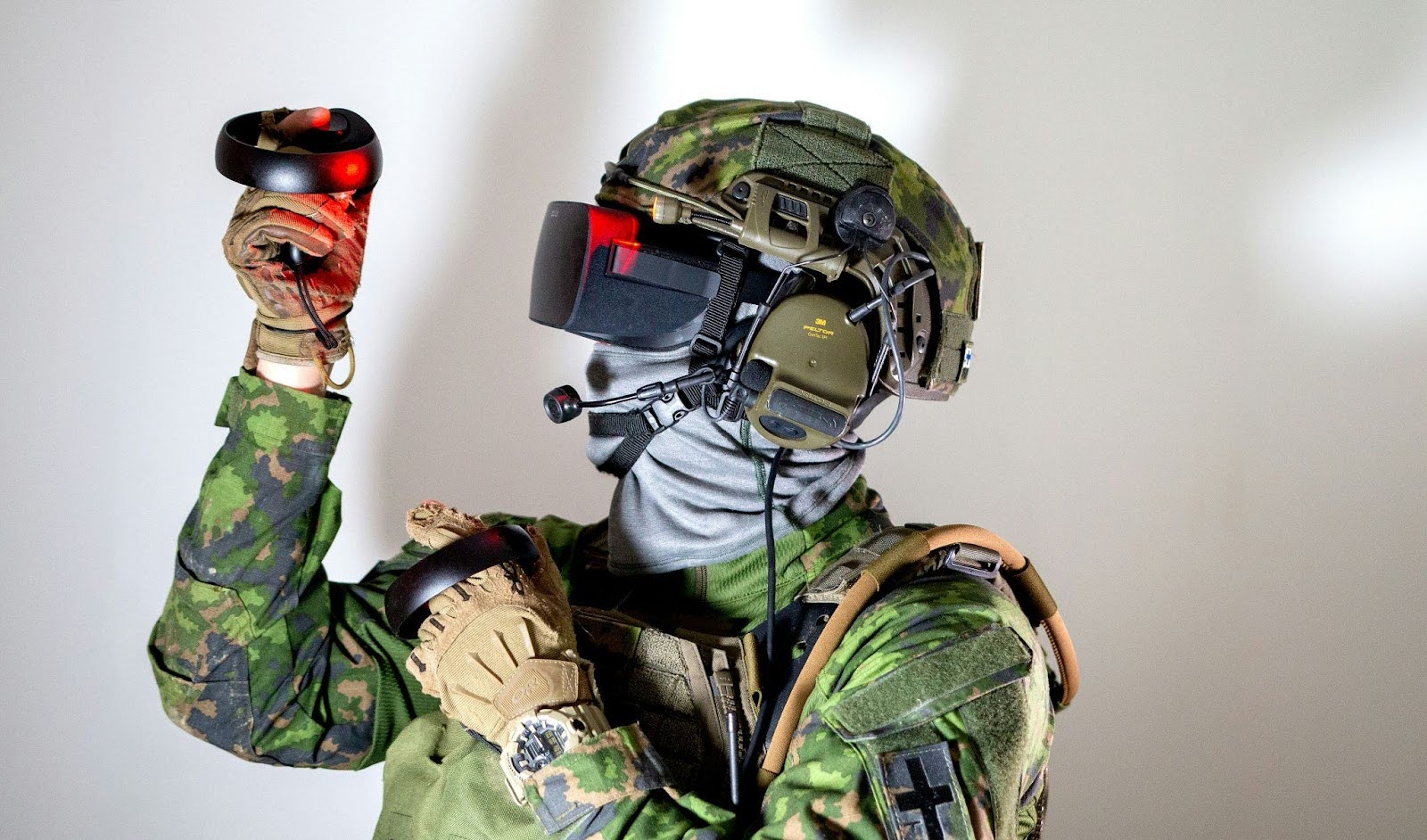
India is moving quickly to bring artificial intelligence into its military operations, with the goal of fully modernizing its defense forces by the year 2047. To lead this transformation, the country has established institutions such as the Defence AI Project Agency and the Defence AI Council. Together, they are overseeing more than 50 active AI projects designed to strengthen national security and prepare the armed forces for the future of conflict.
One of the most noticeable changes is the increasing use of AI-powered drones and satellite systems. These technologies are helping the Indian Army monitor borders more effectively, detect threats faster, and conduct real-time surveillance across difficult terrain. By analyzing large volumes of data almost instantly, AI allows commanders to make quicker and more accurate decisions on the ground.
India is also investing in autonomous systems, including swarm drones that can coordinate with one another during missions. These systems are designed to carry out precision strikes and adapt to changing conditions without waiting for human input. At the same time, AI-driven analytics are helping military leaders sort through battlefield data, identify patterns, and act based on informed insights, even in high-pressure situations.
According to experts, this shift represents more than just a boost in efficiency. It signals a deeper change in how nations think about defense. Brian Sathianathan, Co-Founder of Iterate.ai explained, “The integration of AI-powered drones, satellite intelligence, and cyber systems marks a turning point in modern defense strategy. This is not just about battlefield efficiency; it is about shaping a predictive, data-driven military posture that can adapt in real time. Nations that master AI integration in defense will define the future of geopolitical stability.”
The information gathered by these systems is not only useful at the moment. It also helps train future AI models, improve mission planning, and create realistic simulations for military training. Over time, this flow of data will help commanders anticipate threats, adjust strategies, and even prevent conflicts before they escalate.
India is not alone in this effort. Countries such as the United States, China, and Russia are also rapidly advancing their AI defense capabilities. In the coming years, we are likely to see more militaries around the world rely on AI for autonomous vehicles, advanced cybersecurity, predictive modeling, and virtual training environments.
Despite the promise, the growing use of AI in warfare raises serious questions. There are concerns about accountability, ethics, and control. If an autonomous system makes the wrong decision or is misused, the consequences could be severe. Governments and international organizations will need to set clear rules to make sure this powerful technology is used responsibly and kept out of the wrong hands.
India’s push to integrate AI into its military marks a significant step toward a new era of defense, one where speed, precision, and adaptability will define national security. With intelligent systems now playing a central role in surveillance, strategy, and combat operations, traditional methods of warfare are being redefined. Human judgment is no longer the only determining factor on the battlefield. Instead, machines capable of learning, adapting, and acting independently are becoming key players in real-time decision-making.
This shift introduces both unprecedented advantages and serious responsibilities. On one hand, AI can drastically reduce the time it takes to respond to threats, minimize human casualties, and enhance the accuracy of military operations. On the other hand, it demands careful oversight to ensure that ethical boundaries are respected and that unintended consequences are avoided. The technologies being deployed today will set the precedent for how future conflicts are fought and resolved.
As this transformation unfolds, the decisions made today about investment, regulation, and cooperation will help shape global security in the decades to come. Nations that lead in AI defense technology will likely hold greater influence in international diplomacy and deterrence strategy. However, this influence must be guided by a shared commitment to stability, transparency, and accountability. In this new era, the question is no longer whether AI will change warfare, but how the world will choose to manage that change.
What happens next will depend not only on how well AI is developed, but on how wisely it is governed. The choices made by India and other leading nations will influence whether AI becomes a stabilizing force for peace or a destabilizing tool of unchecked power. In this critical moment, the race to master AI is not just about military advantage, it is about setting the rules for the future of war and peace itself.